
Gastric Band to Bypass Conversion
Keyhole surgery to remove your gastric band and convert to a gastric bypass, for people who have not lost enough weight with a band or have had problems with it. Led by GMC registered consultant surgeons and backed by lifelong aftercare.
- Free, no obligation consultation
- All surgeons GMC registered
- CQC regulated clinics and hospitals
- Industry leading aftercare
- 98% of patients would recommend Transform

Gastric Band to Gastric Bypass Simplified
Procedure Duration
Typically lasts 1-2 hours.
Full Recovery
Expected within 4-6 weeks.
Eligibility
A BMI of 40+ or 35+ with obesity-related health concerns.
Hospital Stay
Patients usually stay 1-2 days post-procedure.
Expected Weight Loss
Patients can aim to lose 50-70% of their excess weight.
Post-Procedure Activities
Light walking and daily activities are encouraged after a few days.
This procedure carries risks and requires a long-term commitment to dietary and lifestyle changes. Results vary depending on individual factors like adherence to medical advice, diet, and physical activity. Lifelong monitoring is essential for maintaining health post-surgery.
Who is suitable for a band to bypass conversion?
A conversion removes your gastric band and creates a small stomach pouch that is joined to the small bowel, so food bypasses most of the stomach. It is often recommended if you have not lost enough weight with your band, have regained weight, or have acid reflux or type 2 diabetes.
You may be suitable if
- You have a gastric band and have not lost enough weight, or have regained weight
- Your band has caused problems such as slipping, vomiting, reflux or difficulty eating
- Your BMI is 40 or above, or 35 or above with a weight related condition such as type 2 diabetes
- You are fit enough for a general anaesthetic and surgery
- You are ready to commit to lifelong changes to how you eat, and to follow up care
Surgery may not be right for you yet if
- You have serious heart or lung disease that makes an anaesthetic unsafe
- You have an untreated eating disorder or a mental health condition that is not yet well managed
- You are pregnant or planning a pregnancy in the next 18 months
- You smoke and are not able to stop, as smoking greatly raises the risk of ulcers after a bypass
- You cannot attend follow up appointments or take supplements long term
NICE guidance also allows surgery to be considered at lower BMIs for some people, including people with a BMI of 30 to 35 whose type 2 diabetes was diagnosed in the last 10 years, and people from South Asian, Chinese, other Asian, Middle Eastern, Black African or African Caribbean backgrounds, for whom the thresholds are 2.5 points lower.
Converting to a bypass or a sleeve?
If your band has not worked for you, it can be converted to either operation. The right one depends on your health, your eating habits and things like acid reflux or diabetes, and your surgeon will recommend the best fit for you.
| Band to bypass | Band to sleeve | |
|---|---|---|
| What is done | The band is taken out, and a small pouch is made at the top of the stomach and joined to the small bowel | The band is taken out and around three quarters of the stomach is removed, leaving a narrow tube |
| How it works | Smaller pouch, fewer calories absorbed and strong changes to gut hormones | Smaller stomach plus lower levels of the hunger hormone ghrelin |
| Typical weight loss | 50 to 70% of excess weight | 60 to 70% of excess weight |
| Hospital stay | Usually 1 to 2 nights | Usually 1 to 2 nights |
| Can it be reversed? | Reversal is possible but rare and complex | No, it is permanent. It can be converted to a bypass if needed |
| Acid reflux | Often improves after surgery | Can start or get worse after surgery |
| Type 2 diabetes | Often improves strongly, and many people come off diabetes medication | Often improves |
| Supplements | Daily vitamins and minerals for life, usually with B12 injections | Daily vitamins and minerals for life |
| Dumping syndrome | More common, especially after sugary food | Uncommon |
Read more about the gastric bypass, or compare it with aband to sleeve conversion . You can also read about the gastric sleeve. Some people are better suited to prescribed weight loss medicine, which we can also discuss at your consultation.

Gastric Band to Gastric Bypass Explained
Gastric band surgery is a common weight loss procedure, but some people might not reach their ideal weight with the band or may face medical issues. In such cases, switching to a gastric bypass could be an option.
This conversion involves removing the band, creating a small pouch at the top of the stomach and joining it to the small bowel. Food then bypasses most of the stomach and the first part of the bowel, which limits how much you can eat, reduces the calories you absorb and changes the gut hormones that control hunger, leading to more substantial and sustained weight loss.
Over 40 Years of Expertise in Weight Management
100,000+ Successful Procedures Performed
All facilities meet UK clinical standards
Award-Winning Medical Team
How does a Gastric Band to Gastric Bypass work?
Removal of Gastric Band:
The existing adjustable gastric band is removed.
Creation of Stomach Pouch:
A small pouch is created from the upper part of the stomach.
Bypass to Small Intestine:
The small stomach pouch is connected directly to the small intestine, bypassing a large portion of the stomach and the first part of the small intestine.
Reduced Intake and Absorption:
This new setup limits food intake and reduces calorie and nutrient absorption, promoting significant and sustained weight loss.

Procedure for Converting Gastric Band to Gastric Bypass
1. Preparation
2. Anesthesia
3. Removal of Gastric Band
4. Creating a Small Stomach Pouch
5. Connecting the Pouch to the Small Intestine
6. Rerouting the Digestive System
7. Closing Incisions
8. Follow-Up
Preparing for your conversion
Good preparation makes surgery safer and recovery easier. Conversion is more complex than a first operation, so your team will take extra care to plan it with you.
Your assessment
You will meet your consultant surgeon and the wider bariatric team, which can include a specialist nurse, a dietitian, a psychologist and an anaesthetist. Together they check surgery is safe and right for you.
Tests
Expect blood tests and a check of your general health. Most people also have a camera test of the stomach (endoscopy) or an X ray to check the band and your stomach before surgery.
The liver reduction diet
For around two weeks before surgery you follow a low calorie, low carbohydrate diet, often mainly liquids. This shrinks the liver so your surgeon can reach the stomach safely through keyhole incisions. Following it closely really matters.
Stop smoking and review medicines
Stop smoking as early as you can, ideally at least six weeks before surgery, as it raises the risk of clots, chest infections and ulcers. Tell your team about every medicine and supplement you take, especially blood thinners and diabetes medicines.
Get your home ready
Stock up on the fluids and soft foods on your diet plan, arrange a lift home and some help for the first few days, and plan time off work.
On the day
You will be asked not to eat for several hours beforehand. Bring comfortable clothes, your medicines and your CPAP machine if you use one.
Band to bypass recovery timeline
Everyone recovers at their own pace, but this is what most people can expect. Your team will give you a personal plan.
You are encouraged to sit up, sip water and start walking within hours. Walking early helps prevent blood clots.
Most people go home once they are drinking well and comfortable, with pain relief, blood thinning injections or stockings, and your diet plan.
Liquids only. Walk a little more each day and rest when you need to. Avoid lifting anything heavy.
Most people with desk based jobs return to work. You can usually drive once you can wear a seatbelt comfortably and do an emergency stop, but check with your insurer first.
Moving on to soft, then normal textured food. Most people feel fully recovered from the operation itself and can start building up exercise.
Weight loss is fastest now. Some people notice tiredness, feeling cold, mood changes or temporary hair thinning, which usually settles.
Most of your weight loss has happened. This is also the earliest time to plan a pregnancy.
Your weight usually settles. Lifelong supplements, yearly blood tests and healthy habits keep your results on track.
Planning to fly? Speak to your team first, as long journeys raise the risk of blood clots in the weeks after surgery.
Your diet after a band to bypass conversion
Your new stomach needs time to heal, so food is reintroduced in stages over about six to eight weeks. Your dietitian will give you a detailed plan and support you through each one.
Liquids
Small sips of water, milk, clear soups and protein drinks throughout the day. Aim for at least 1.5 litres of fluid.
Purée
Smooth foods with no lumps, such as blended soup, yoghurt and puréed meat, fish or lentils. Start with a few teaspoons at a time.
Soft food
Foods you can mash with a fork, such as scrambled egg, flaked fish and soft vegetables. Chew each mouthful well.
Normal textures
A balanced, high protein diet in small portions, usually three small meals a day with no grazing.
Habits that protect your results
Risks of band to bypass conversion
Conversion is a well established operation, but because it is a second operation on the stomach, the risks are a little higher than for a first bypass. Your surgeon will explain what they mean for you before you decide.
Any operation
- Bleeding
- Wound infection
- Blood clots in the legs (DVT) or lungs
- Chest infection
- A reaction to the anaesthetic
Keyhole surgery
- Needing to switch to open surgery
- Injury to nearby organs or blood vessels
- A hernia at one of the small cuts
Specific to a band to bypass conversion
- A leak from one of the joins, which is uncommon but serious and needs urgent treatment
- Scar tissue from the band, which can make the operation more complex. Occasionally the band is removed first and the bypass is done a few months later
- Narrowing or an ulcer where the pouch joins the bowel, which is more likely if you smoke or take anti inflammatory painkillers
- An internal hernia, where the bowel twists through a gap inside the tummy. It can happen months or years later and needs urgent treatment
Longer term effects to be aware of
- Low levels of vitamins and minerals such as B12, iron, folate, calcium and vitamin D without lifelong supplements
- Gallstones, which are more likely during rapid weight loss
- Loose or excess skin as you lose weight
- Dumping syndrome, such as feeling faint, sweaty or sick after sugary food
- Weight regain if eating habits slip, which is why aftercare matters
- Emotional ups and downs as your relationship with food changes
A gastric bypass is very difficult to reverse, so it should be treated as permanent.
When to get help straight away after you go home
Call our 24 hour helpline, or 999 in an emergency, if you have:
- Tummy pain that is severe or getting worse, or pain in your shoulder tip
- A high temperature or shivering
- A racing heartbeat, chest pain or shortness of breath
- Repeated vomiting, or you cannot keep fluids down
- Pain, swelling or redness in your calf
- Vomiting blood, or black, sticky poo
- A wound that is red, swollen or leaking
Book a free consultation now
Your Virtual consultation with one of our Patient Advisors is 100% FREE and you are under no obligation
Benefits of conversion of Gastric Band to Gastric Bypass
Increased Weight Loss
More effective and sustained weight loss.
Health Improvements
Resolves conditions like diabetes and hypertension.
Better Digestion
Enhances nutrient absorption and digestion.
Quality of Life
Boosts mobility, energy, and overall well-being.
Fewer Complications
Lower long-term risk compared to the gastric band.
Appetite Control
Reduces hunger and food cravings.
Can I have a band to bypass conversion on the NHS?
Revision surgery is sometimes available on the NHS, but access is limited and waits are often long, which is why many people choose to go private.
On the NHS
- Usually needs a GP referral to a specialist weight management service first
- You often need to complete a supervised weight management programme before surgery is considered
- Local criteria can be stricter than national guidance
- Waiting times vary across the country and can run to well over a year
Privately with Transform
- A free initial consultation with no GP referral needed
- You plan surgery around your life, not a waiting list
- The same team supports you from assessment to lifelong aftercare
- Flexible finance to spread the cost
How much does a band to bypass conversion cost?
Every conversion is planned around you. Your price depends on your health assessment and the hospital you choose.
Rather than show a figure that may not apply to you, we send you your personal price. It only takes a minute to ask.
FAQs
Who is eligible for converting from a gastric band to a gastric bypass?
How long does the conversion surgery take?
What is the recovery time after the conversion surgery?
What are the potential risks and complications?
How much weight can I expect to lose after converting to a gastric bypass?
Will I need to follow a special diet after the surgery?
Why would I convert my gastric band to a bypass?
The most common reasons are not losing enough weight with the band, regaining weight, or problems with the band such as slipping, vomiting or difficulty eating. A bypass is often the preferred choice if you also have acid reflux or type 2 diabetes.
Is the band removed in the same operation?
Usually, yes. Most people have the band removed and the bypass created in one keyhole operation. Occasionally, if there is a lot of scar tissue or a problem with the band, your surgeon may remove the band first and do the bypass a few months later.
Is a conversion riskier than a first gastric bypass?
The risks are a little higher, because it is a second operation on the stomach and there may be scar tissue from the band. Serious complications are still uncommon. Your surgeon will explain the risks for you before you decide.
How long will I stay in hospital?
Most people stay for one to two nights, and go home once they are drinking well and comfortable.
Should I convert to a bypass or a sleeve?
It depends on your health. A bypass often suits people with acid reflux or type 2 diabetes, while a sleeve keeps your digestive system working as it does now and avoids dumping syndrome. Your surgeon will recommend the best option for you.
What is dumping syndrome?
Dumping syndrome happens when sugary or fatty food moves too quickly into the bowel. It can make you feel faint, sweaty, sick or need the toilet soon after eating. It is more common after a bypass and is usually avoided by eating small, balanced meals and cutting out sugary foods and drinks.
Will I need to follow a diet before surgery?
Yes. For around two weeks before surgery you follow a low calorie liver reduction diet. This shrinks the liver so your surgeon can reach your stomach safely.
Will I need to take vitamins after the conversion?
Yes. After a bypass you need daily vitamins and minerals for life, usually with B12 injections, and yearly blood tests to check your levels.
When can I go back to work?
Most people with desk based jobs return to work within two to four weeks. If your job is physical, you may need longer.
Can I have a band to bypass conversion on the NHS?
Revision surgery is sometimes available on the NHS, but access is limited and waiting times are often long. With Transform there is no referral needed, and your first consultation is free.
How much does a band to bypass conversion cost?
Your price depends on your health assessment and the hospital you choose. Use our quick price check to get your personal price, and ask about flexible finance to spread the cost.
Not sure a bypass is right for you?
We offer several types of weight loss surgery. Your surgeon will help you decide which suits you at your consultation.
Gastric Band to Gastric Sleeve
Removes your band and converts your stomach into a sleeve, keeping your digestive system working as it does now.
Find out more ›Gastric Bypass
Our full guide to the gastric bypass, including recovery, diet and results.
Find out more ›Gastric Sleeve
Removes around three quarters of the stomach to reduce hunger and portion size.
Find out more ›Where this information comes from
This page gives general information and is not a substitute for advice from your surgeon or GP. Individual results vary.

Invest in Your Health with Flexible Financing Options
Understanding that affordability is key to accessing transformative health services, we offer a variety of financing options to fit your budget for surgical weight loss procedures, our flexible plans are designed to make your journey to wellness both achievable and affordable. Explore our tailored payment solutions to take the first step towards a healthier, happier you.
Invest in Wellness: Flexible Financing for Your Health Journey
- Flexible Financing: We offer various financing options to fit your budget.
- Accessibility: Affordability is key to accessing transformative health services.
- Tailored Plans: Flexible plans designed to make your wellness journey achievable.
- Start Today: Explore our tailored payment solutions for a healthier, happier you.
Why Choose Transform Weight Loss?
Comprehensive industry leading aftercare
Access to 24-hour support helpline
All surgeons registered with the General Medical Council
All facilities regulated by the Care Quality Commission
All nurses registered with the Nursing and Midwifery Council
Flexible financing options that fits your budget
Personalised treatment plans designed specifically to meet your goals
Latest medical technology ensuring safe and effective procedures
Transform Aftercare: Lifelong Support
At Transform, we are with you every step of the way, from your first enquiry to post-surgery support and beyond.
Our world-class surgeons excel at performing weight loss surgeries like bypass and sleeve procedures, delivering remarkable results.
However, to achieve the best outcomes, the aftercare you receive is just as crucial as the surgery itself. Transform offers top-notch support throughout your weight loss journey.
You can extend your aftercare package if you wish – our expert team can talk you through the options
5 year surgeon access
2-year access to our Nutrition and Dietetic department
2-year access to psychotherapist as clinically needed.
2-year access to our clinical nurse.
Transform toolkit: Includes portion plate, bowl, & measuring spoon.
Lifelong access to our weight loss support call center.
Lifelong free subscription to our Weight Loss Hub.
24 hour helpline: Access to our out of hours helpline
Find Our State-of-the-Art Clinics and Hospitals Near You
Find top-tier weight loss and surgical solutions at our facilities located in key UK cities. Whether you’re near Birmingham, Manchester, Bristol, Cardiff, Glasgow, Leeds, London, Newcastle, Nottingham, Solihull, or Torquay, we’re ready to provide you with exceptional care. Discover the Transform Weight Loss clinic or hospital closest to you and embark on your journey to a healthier life with our expert medical team.
Dedicated Team of Specialists
Meet the esteemed leaders in weight loss and bariatric surgery. Our surgeons bring a wealth of expertise in surgical weight loss procedures, ensuring advanced, safe, and effective treatments tailored to your needs.

Dr. Martin Richardson
With over 20 years of experience, Dr. Richardson specialises in minimally invasive bariatric and upper GI surgeries, having performed over 5,000 weight loss procedures.

Mr Rajwinder Nijjar
Mr Nijjar is a leading Upper GI and Bariatric Surgeon specialising in minimally invasive surgery for gallstones, hernias, acid reflux, weight loss and cancers of the oesophagus and stomach.

Dr. Alan Li
Dr. Li, with extensive experience since 1990, specialises in keyhole and cancer surgery, leading advancements in oesophago-gastric cancer surgery at Manchester Royal Infirmary.

Dr. Vittal Rao
Dr. Rao, with over a decade of experience, specialises in gastric sleeve, gastric bypass, and gallstone surgeries, and is a Consultant at the University Hospital of North Midlands.

Dr. Kanagaraj Marimuthu
With over 20 years of experience, Dr. Marimuthu specialises in laparoscopic gastric bypass and sleeve gastrectomy, having performed over 4,000 operations.
Understanding Your Weight Loss Journey
YOUR FIRST APPOINTMENT
The initial step is to speak with a member of our clinical support team over the phone. During this call, you can discuss your reasons for considering treatment, likely costs and available finance options, the recovery period, and when you may wish to proceed.
If you feel ready to move forward, we will arrange your consultation with one of our specialist clinicians to assess your suitability and discuss the most appropriate treatment options for you.

FREE CONSULTATION
At your free consultation, you’ll speak with a specialist weight loss practitioner, such as a nurse or dietitian, to discuss your goals and explore suitable treatment options. You’ll have the opportunity to review potential benefits and risks, with no obligation to proceed.
The consultation can take place via video call or at your local clinic. If you choose to move forward, you’ll meet with a consultant clinician to confirm your suitability and complete any necessary pre-treatment assessments.

THE SURGERY
On the day of your procedure, you’ll meet your clinical team to review consent and ask any final questions before treatment begins. The procedure is carried out under general anaesthetic and typically takes 1–2 hours.
It is performed using minimally invasive techniques, and you will be closely monitored throughout. After treatment, you’ll be supported by our team as you begin your recovery.

RECOVERY
Following your procedure, you will usually stay overnight and return home the next day. Our clinical team will monitor you closely and provide appropriate pain relief and support during your recovery.
You’ll receive guidance on hydration, nutrition, and caring for yourself at home before discharge. As the procedure is carried out under general anaesthetic, you’ll need someone to drive you home and stay with you initially.
A follow-up appointment will be arranged, and you’ll have access to our clinical support team should you need advice during your recovery.

AFTERCARE
We believe high-quality aftercare is essential to your recovery and long-term success. Our team will provide clear guidance to help you heal safely, including advice on activity levels and when to resume normal routines.
Treatment is just the beginning of your journey. We offer structured aftercare programmes designed to support your ongoing progress, with continued clinical guidance and follow-up care tailored to your needs.

Real Transform patients
Life beyond the weight, in their own photos
Photos shared by our patients before and after weight loss surgery with Transform.
-

Before 
After Weight loss surgery patientIndividual results vary
-

Before 
After Weight loss surgery patientIndividual results vary
-

Before 
After Weight loss surgery patientIndividual results vary
-
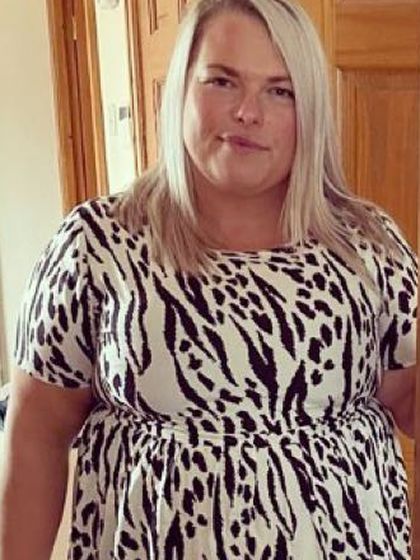
Before 
After Weight loss surgery patientIndividual results vary
-

Before 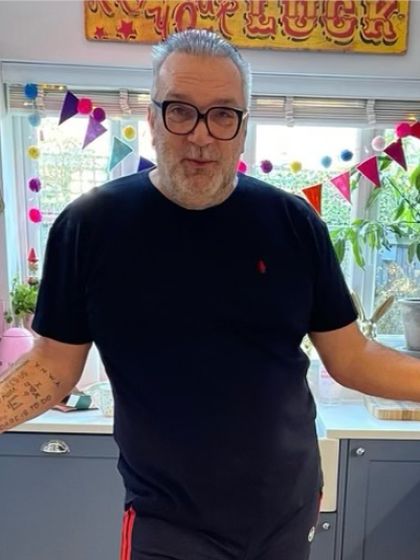
After Weight loss surgery patientIndividual results vary
-

Before 
After Weight loss surgery patientIndividual results vary
-

Before 
After Weight loss surgery patientIndividual results vary
Genuine patient photos, shared with consent. Weight loss surgery results vary from person to person and depend on your procedure, starting point and aftercare.