
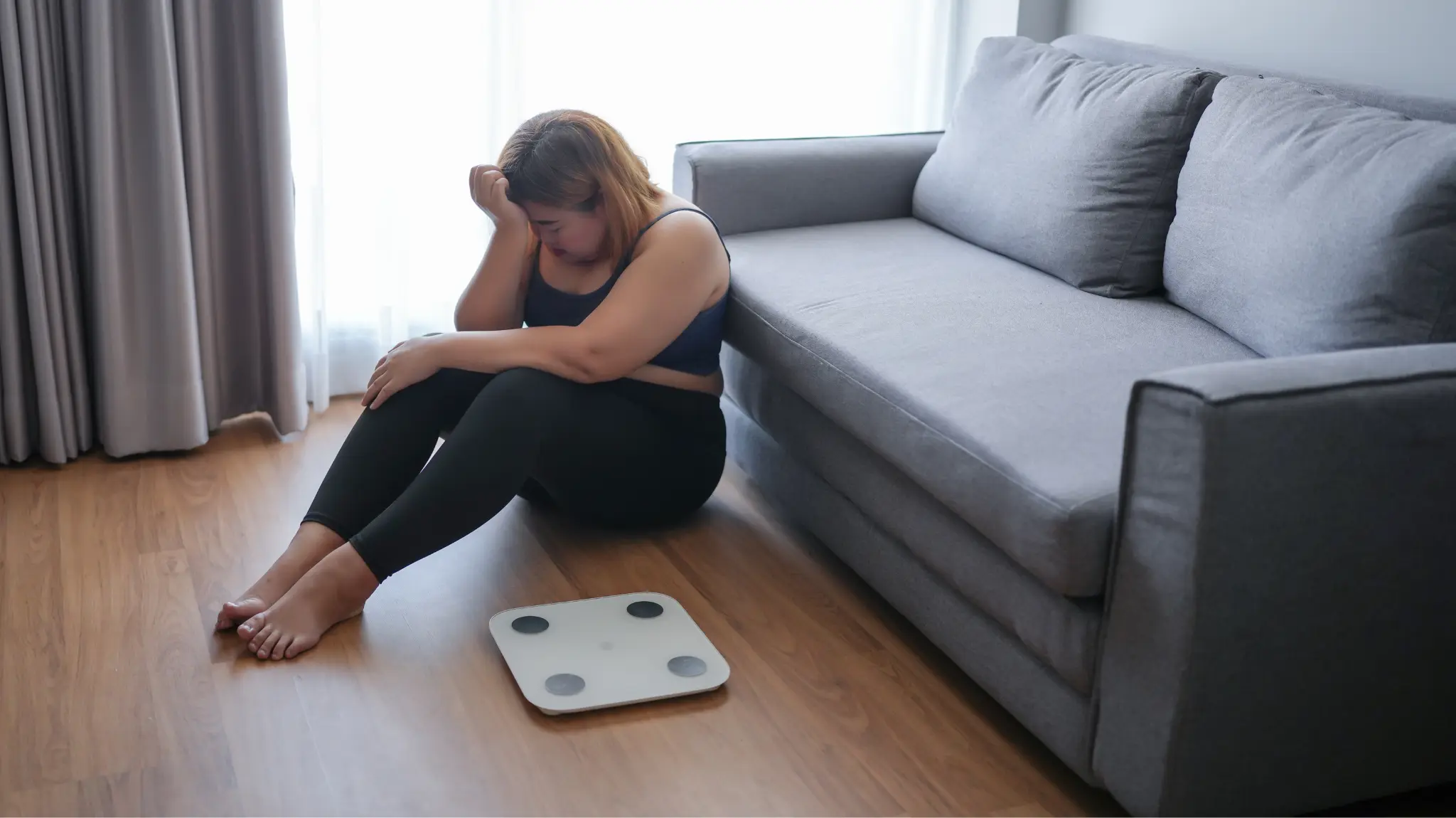
What Is Excess Weight?
In the UK, a Body Mass Index (BMI) of 30 or above is classified as obesity. BMI is a simple measure of body fat based on height and weight. While it doesn’t directly measure body fat percentage, it’s a useful screening tool for identifying individuals at risk of obesity-related health problems. A BMI between 25 and 29.9 is considered overweight and also carries health risks. NHS inform
Cardiovascular Disease
Excess weight is a major risk factor for cardiovascular diseases, including heart disease and stroke. Carrying extra weight, especially around the abdomen, can lead to fatty material building up in the arteries, a condition known as atherosclerosis. This can increase the risk of high blood pressure, high cholesterol, and type 2 diabetes, all of which are risk factors for heart disease. (British Heart Foundation)
Type 2 Diabetes
Nearly 9 in 10 people with type 2 diabetes are overweight or obese. Excess weight can affect the way the body uses insulin to control blood sugar levels, raising the risk of insulin resistance and diabetes. Losing at least 5% to 7% of your starting weight can help prevent or delay diabetes.(NIDDK)
Certain Types of Cancer
Obesity increases the risk of developing certain types of cancer, including breast, colon, and endometrial cancers. Excess fat tissue can lead to increased levels of hormones such as oestrogen, which can promote the development of some cancers. Additionally, obesity can cause chronic inflammation, which may contribute to cancer development. (World Health Organization)
Respiratory Problems
Obesity can affect how well your lungs work and increase the risk of breathing problems. Excess weight increases the risk of sleep apnoea, a condition that causes interrupted breathing during sleep. Untreated sleep apnoea may raise the risk of developing many health problems, including heart disease and diabetes. (NIDDK)
Joint and Bone Issues
Excess weight puts extra pressure on joints, particularly the knees, hips, and lower back. This can lead to osteoarthritis, a condition involving pain and stiffness in the joints. Additionally, obesity may inhibit the formation of new bone cells and disrupt bone-regulating hormones, which may weaken the skeleton and increase fracture risk. (Verywell Health)
Fatty Liver Disease
Fatty liver disease develops when fat builds up in the liver, which can lead to severe liver damage, cirrhosis, or even liver failure. These diseases most often affect people who are overweight or obese. Losing at least 3% to 5% of your body weight may reduce fat in the liver. (NIDDK)
Kidney Disease
Obesity raises the risk of developing diabetes and high blood pressure, which are the most common causes of chronic kidney disease. Even if you don’t have diabetes or high blood pressure, having obesity may increase your risk of developing kidney disease and speed up its progress. (NIDDK)
Pregnancy Complications
Overweight and obesity raise the risk of developing health problems during pregnancy that can affect both the mother and the baby. Pregnant women who have obesity may have a greater chance of gestational diabetes, high blood pressure, and complications during delivery. These factors can lead to a higher risk of birth defects and long-term health issues for the child. (NIDDK)
Mental Health Effects
Living with obesity can also affect your mental health. It can lead to low self-esteem, depression, and anxiety. The stigma associated with obesity can contribute to these mental health issues, affecting relationships and overall quality of life. (CDC)
Reduced Life Expectancy
A study from McGill University revealed that obesity can reduce an individual’s life expectancy by up to eight years. The research connects obesity with a higher likelihood of heart disease and type 2 diabetes, which significantly cuts down life expectancy and the duration of living free from chronic illnesses. (TIME)
Managing and Reducing Health Risks
The good news is that even modest weight loss can have significant health benefits. Losing 5% to 10% of your body weight can improve blood pressure, cholesterol levels, and blood sugar control. Adopting a healthy diet, increasing physical activity, and seeking support from healthcare professionals can help you achieve and maintain a healthy weight.
Top 5 FAQs About Excess Weight and Physical Health
How much weight loss is needed to see health benefits?
Even modest weight loss can make a big difference. Losing 5–10% of your body weight can improve blood pressure, cholesterol, blood sugar, and reduce the risk of type 2 diabetes.
Can excess weight cause heart problems even if I feel healthy?
Yes. Excess weight, especially around the abdomen, can increase the risk of high blood pressure, high cholesterol, and heart disease, even if you currently feel well.
Is obesity only a concern for adults?
No. Obesity affects children and teenagers too. Childhood obesity increases the risk of developing chronic diseases like type 2 diabetes and heart problems later in life.
Can diet alone help reduce the health risks of obesity?
Diet is essential, but combining it with regular physical activity and lifestyle changes yields the best results. Even small, consistent changes can significantly improve health.
When should I seek professional help for weight management?
If you struggle to lose weight, have existing health conditions, or are concerned about obesity-related risks, consult a healthcare professional or a weight management specialist. Personalized support often leads to more sustainable results.
Excess weight is a serious health concern that increases the risk of numerous chronic conditions. Understanding these risks is the first step toward making informed decisions about weight management. If you’re concerned about your weight and its impact on your health, consult with a healthcare provider to develop a personalized plan that suits your needs and lifestyle.
Have Questions About Safe Weight Loss?
If you have any questions about safe weight loss treatments or how weight loss can improve your physical health, book a free consultation with Transform Weightloss today. Our experts provide personalised advice and support to help you achieve your goals safely and effectively.

Medically reviewed by Sue Norton, Head of Weight Management
Clinical Dietetics Team for Transform Weight Loss
Last Reviewed September 4th 2025